Posts tagged breast lift
Cosmetic Surgery vs Plastic Surgery: the devils in the details.

Interested in trying Botox? A Juvéderm filler? A laser resurfacing procedure? 

You may want to see a Board-Certified Plastic Surgeon for that.


Individuals seeking out a cosmetic procedure often assume that cosmetic surgeons and plastic surgeons have the same training and that the word plastic and cosmetic are interchangeable. 


This is misleading, confusing, and can even be dangerous. 


As a board-certified Plastic surgeon, I often refer to my practice as a mix of reconstructive (i.e. breast reconstruction) and cosmetic, because I’ve had extensive training in both. 


However, properly Board-Certified Plastic Surgeons do not refer to themselves as “cosmetic surgeons.”


What is Plastic Surgery?


The goal of plastic surgery is to restore the form (appearance) and function to a damaged area of the body. 


Plastic surgeons use a variety of techniques to move healthy tissue to an area affected by a birth defect, burn, traumatic injury, tumor, or other condition. Some plastic surgeons may focus on congenital defects (cleft lips), hand trauma, breast reconstruction, as well as cosmetic surgery.


What is Cosmetic Surgery?


Cosmetic Surgery is a combination of nonsurgical and surgical techniques to enhance appearance. Examples include facelifts, abdominoplasty (tummy tuck), liposuction, and Botox or Juvéderm fillers. 


What’s the difference between a Plastic Surgeon vs a Cosmetic Surgeon?


Legally, any physician with a valid medical license can perform cosmetic procedures, regardless of their training. I know, this is unbelievable. However, because of a number of factors - including declining insurance reimbursement and stress of keeping a practice financially secure - many physicians are looking towards elective cash-based procedures to survive.  


Several organizations have established “cliffs notes-type” courses with the goal of training these physicians in the same procedures that I, as a Plastic Surgeon, was trained to due over 6 years in my residency. 


Think about it: an emergency room physician with no surgical training goes to take a 2 week “crash course” on breast augmentation and is now ready to advertise as a cosmetic surgeon. 


And while your OB/GYN is offering you Botox or filler after a weekend training in cosmetic surgery, he or she may not be offering the best treatment, nor be able to handle complications (because OB/GYNs did not have focused training in facial anatomy). Scary, right?


On the flip side, a board-certified plastic surgeon would be able to offer the full scope of cosmetic options and let you know what works best for your body and your desires because we have been specifically trained to do so, without any shortcuts. Expertise cannot be achieved with a quick weekend course.


What does it take to become a board-certified plastic surgeon?


In order to become a board-certified plastic surgeon, an individual must complete 


  1. Four years of medical education and obtain a medical degree (MD or DO) 

  2. A minimum of 6 years of accredited surgical residency training with at least 3 years of education dedicated to cosmetic and reconstructive surgery

  3. Pass both written and oral examinations. At this point, he/she is board-certified by the American Board of Plastic Surgery (ABPS).

  4. Remain in good ethical standing within their community and the board, as well as routinely participate in continuing medical education (CME) on the latest innovations and abide by up-to-date patient safety recommendations.


What if my doctor says he/she is Board Certified in Cosmetic Surgery?


At this time, there is no formal certification in Cosmetic Surgery and so anyone claiming to be board certified in this area is actually recognized only by a self-created organization (American Board of Cosmetic Surgery) and not an official licensing board by the American Board of Medical Specialties (ABMS).

In this situation, I encourage you to ask him or her a few more questions.  Ask about his/her background training (what is he really certified in), ask him/her how many of these specific procedures he has performed, and ask him/her how many years he/she has been practicing.  You might be surprised at what he/she says…and even more by what he/she does not.

How do I know if my surgeon is board-certified in plastic surgery?


Check online, and if in doubt, as your potential surgeon which board they are certified in. 


How do I find a Board-Certified Plastic Surgeon? 


You can easily find a list of local board-certified plastic surgeons by visiting the American Board of Plastic Surgery website.


When meeting with your surgeon, ask which board (i.e. Internal Medicine vs. Plastic Surgery) she or he is certified in


Lastly, If the surgeon routinely does procedures within an office operating room, as them where they have privileges. A reputable hospital will only accredit a board-certified plastic surgeon.


At the end of the day, it’s your body. And when it comes to your time, energy, and money, you should do the proper background research to ensure you are in the best hands. 

Breast Implant Illness
 
AdobeStock_317055056.jpeg
 

What is Breast Implant Illness (BII):

Breast Implant Illness (BII) is a combination of various systemic symptoms that women have been reporting and believe to be related to their breast implants.

To date, these symptoms have been reported in women with saline, silicone, smooth and textured implants:

These symptoms include (but are not limited to):

-fatigue

-chest pain

-hair loss

-headaches

-chills

-photosensitivity

-chronic pain

-rash

-body odor

-anxiety

-brain fog

-sleep disturbance

-depression

-neurologic issues

-hormonal issues

At this time, breast implant illness (BII) is not an official medical diagnosis.

Many patients are reporting their symptoms on social media and state their symptoms have been improved and resolved with the removal of their implants.

 
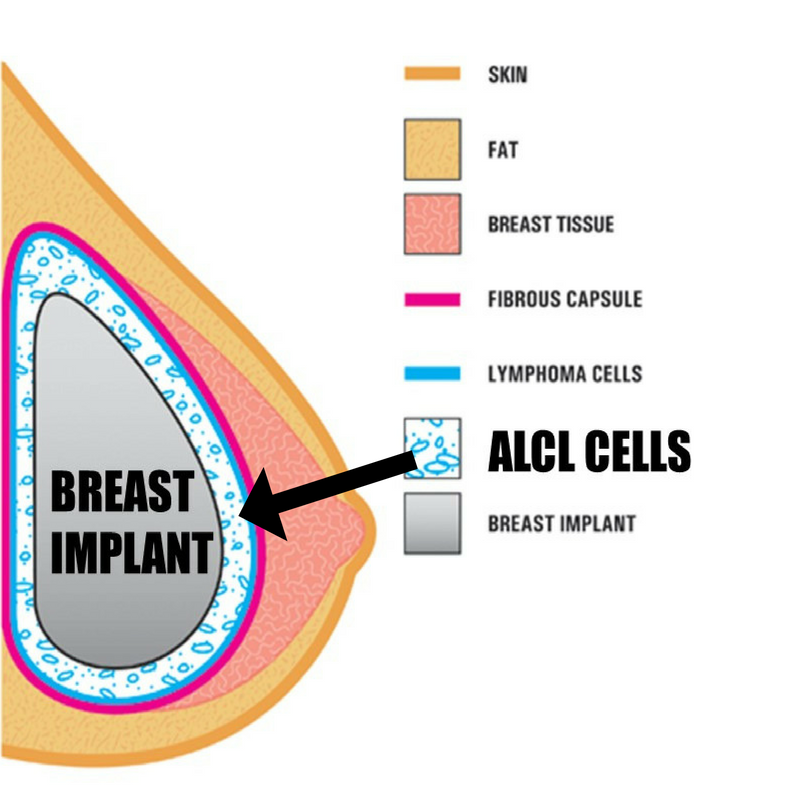
BIA-ALCL


Common Questions:

1.    Is there a link between BII and silicone?

Silicone is an element that exists in nature as crystalline silica. The silicone used in breast implants is different as it has had antioxidants, dyes, and plasticizers removed during processing.

Silicone gel implants have been studied by the FDA for many years and to date have not been proven to cause any disease.


2.    Can you diagnose Breast implant illness with a test?

Currently, there is no diagnostic test for BII.

Many different organizations in Plastic Surgery, such as the American Society for Plastic Surgeons and the American Society of Aesthetic Plastic Surgery, are funding research to further understand this potential disease process.

There are tests for autoimmune diseases that your plastic surgeon may recommend. However, patients who self-identify as having BII have tested both positively and negatively on laboratory tests for autoimmune disease. So, at this time, there is no causal relationship between BII and autoimmune disease. 

3.    Does implant removal improve BII symptoms or cure patients?

At this time, there is no definitive epidemiological evidence to support a direct link between breast implants and any disease.

However, some women have reported different degrees of improvement in symptoms after implant removal. Improvement may be temporary or permanent. It is unclear what specific symptoms may or may not improve with implant and capsule removal.

4.    what is the difference between BII and capsular contracture?

When a foreign object is placed into the body (hip implant, breast implant, catheter), the body’s response is to form scar tissue around it.

In women with breast implants, the scar layer around the implant is called the breast capsule, and it usually takes 4-6 weeks to form.

In a small percentage of women, the scar capsule can become irritated and can contract tightly around the implant, pushing it up and out and causing pain or discomfort. This is known as capsular contracture. There are many theories as to why this occurs, and there are strategies to decrease the risk of this contracture.

The treatment for this contracture is the removal of the breast implant and the capsule.

In women with BII, there has been no association with capsular contracture. Women do not usually complain about pain and tightness around their implants. Rather, they have systemic symptoms such as fatigue and malaise. However, the treatment is the same – removal of the implant and the capsule (scar layer) surrounding the implant.

5.    What is the risk of developing BII

At this time, because there is no definitive link between symptoms and breast implants, there is no “known risk.”

6.    What should I do if I think I have BII?

There are legitimate concerns about a potential link between breast implants and symptoms of BII.

If you are concerned you may be experiencing these symptoms and feel they are attributed to your breast implants, see your Board-Certified Plastic Surgeon.

Just remember, breast implant surgery is elective surgery, and you can always elect to have your implants and overlying breast capsule removed if you believe doing this will improve your symptoms.

9. How much do the removal of breast implants and capsulectomy cost?

Each patient is different, and your needs are unique. The cost of this procedure will depend on the conversation between you and Dr. Parcells during your one-on-one consultation.

After reviewing your medical history, Dr. Parcells will perform a physical exam to evaluate your breasts as well as skin tone, laxity, nipple position.

She will then provide her expert advice and discuss your surgical options.  She will also address all risks and benefits of the procedures you are interested in.

At the end of your consultation with Dr. Parcells, you will meet with our surgical coordinator who will address the logistics and finances of the procedure you are best suited for.

Dr. Parcells is board certified by the American Board of Plastic Surgery.

Cardi B & Plastic Surgery: Separating Fact vs. Fiction
cardibplasticsurgery

Cardi B has been in the media for discussing her breast lift (mastopexy) and liposuction procedures, and more recently her complications with surgical recovery. She’s had to cancel appearances and performances and as a result has received criticism from both the media and her fans.


Let’s discuss fact vs. fiction as it relates to her surgery and recovery.


Claim: She did not need surgery. Working out will fix all problem areas.


First off, it’s important to talk to your plastic surgeon about what is achievable with diet and exercise, and what transformation can be accomplished with surgery.


In Cardi B’s case, no amount of working out will address the deflation and descent of her breasts after the birth of her child. The only way to permanently and effectively address this is a breast lift, or mastopexy. In regards to her liposuction, I cannot comment on her diet and exercise regimen, or the area(s) that she had addressed.


Claim: Healing from surgery is quick and easy.

 Surgery is serious business, and it is important to give your body the proper time to heal. Though most women who have liposuction or a breast lift feel “recovered” in terms of pain and soreness within a few days, in reality it takes the body up between 6-12 weeks for swelling to subside and incisions to heal.


Cardi B described leg and ankle swelling that worsened with air travel (very common) and a long, hard recovery process that is now even longer because she returned to perform before her body was ready.


If you are thinking about having plastic surgery, make sure you see a board-certified plastic surgeon in consultation. Ask questions, become educated on your options, and make an informed decision. Surgery is a team effort on the part of the surgeon and the patient to optimize healing and achieve the best results.

For more information or to answer any questions, please contact our office to schedule a consultation.