Posts tagged female surgeon
Tips for self care during COVID-19


This COVID-19 pandemic can feel overwhelming as most of us have had to adjust to a new normal. 


anthony-tran-8i2fHtStfxk-unsplash.jpg

It’s important to understand and identify new stresses that have surfaced over the past few weeks. 


Whether it’s a change in job status, increased responsibilities, or caring for others, it’s important to take a mental and physical check-in and realize the emotions you are feeling are real and often need to be addressed.

During this uncertain time, emotions including, anxiety, anger, and discouragement may manifest as muscle tension, fatigue, sleeplessness, and headache. 

The goal here is to decrease stress (drop your cortisol, or stress hormone level) in order to increase your immunity. We need our immunity to be high to stay healthy during this time.

Additionally, anything you can do organically to boost levels of dopamine and oxytocin (the good hormones) will improve overall mood stability and health.


Here are some strategies to help you through the pandemic.


Mental Health:


1. Check-in and Take a Self-assessment.

How are things going? How can I make things better?

It’s often helpful to do a self-check in 2-3 times a day to understand when and why you are stressed. Are their certain triggers or parts of the day that deviate from a good flow? Insight is powerful here in making positive change.


2. Establish a Routine

Establishing and maintaining a routine will not only keep you organized and lower your levels of stress, but the predictability of it will make life a bit more enjoyable. Of course, the routine may veer off schedule from time to time, but by focusing on things you can control you will be more able to cope with unpredictable events.


3. Optimize Technology

Technology - it can be helpful, or unhelpful. Identify your emotions as you interact with technology throughout the day. Spend more engaging in joyous experiences (such as facetiming with loved ones) and less so by reading end-of-the-world blogs or catastrophic commentaries. You are the master of your own mind.


4. Listen more

If there was a podcast you couldn’t get enough of, or an audiobook you were dying to start, now is the time. Plan this activity into your routine (cooking, cleaning) so it makes the mundane more exciting.


5. Be grateful.

Chances are, that if you are reading this, that you are healthy and safe. Think about what you can be grateful for. Your health, family, friends, beautiful weather are just some example. Hopefully, you can find something to focus presently on. 


6. Join a support group.

Many support groups are still meeting in parks with social distancing guidelines (AA) and there are many ways to find good support on social media or online. If there is something you are specifically dealing with in addition to this pandemic (i.e. cancer diagnosis), make sure you are touching base with your physicians and social support team to make the best of this unprecedented time.


7. Accept the things you cannot change.

Hair turning grey? Due for a dental checkup? Botox fading? C'est la vie, my friend. 


Physical Health


1. Eat Well & Drink Water

Now is a great time to identify how certain foods make you feel.

Fuel your body with a healthy, well-balanced diet and drink plenty of water. Avoid sugars and processed foods that can lead to mood swings and drastic changes in your insulin levels. Give your body the nutrition it needs to stay healthy.


2. Sleep.

Aim to get 7-8 hours of sleep each night.  Earplugs, eye masks, noise machines or fans - whatever it takes. Zone out street noise and try to obtain uninterrupted sleep if possible. If you can nap, and find that to be a stress reliever, go for it.


3. Exercise and stretch every day.

Spend time outside on a walk or run. Dust off that bicycle or scooter. Get moving!


4. Take care of your skin.

Spring is here and summer is around the corner. Get in a routine where you are using daily SPF (35+) and protective clothing if you are going to have prolonged sun exposure to prevent a burn. 


Parenting

Remember, this pandemic is stressful for both you and your children. 

Children and teens tend to react based on what they see from the adults around them

Providing a calm and confident environment is the best way to support your children. 

Keep with a regular routine that is inclusive of learning and activities and plenty of play. 


Children, like adults, thrive in an environment of healthy foods, water, sleep, and exercise.

Talk to your child about COVID-19 and answer questions in a way your child can understand. Reassure her or him they are safe and that it is OK to be upset. 

Limit exposure to news coverage as children can misinterpret what they see or hear. 


Lastly, recognize your limitations and be kind to yourself if you cannot accomplish all of the scholastic or other goals you have been tasked with. 


Community


Giving has been shown to increase happiness on a molecular level. Look for ways to contribute to your community. Call or text an older relative or neighbor to check in. Consider donating to a local food bank. Write a card or knit a mask for your local first responders. You may surprise yourself by how good you feel afterwards. 


If it's just not going well, no matter what you try….


If you are experiencing any of the following to the point that they are interfering with your daily ability to function and outside the norm, contact a physician or psychologist for help and guidance


  • anxiety that turns into a feel of being “out of control”

  • inability to get out of bed in the morning

  • emotions that are difficult to manage

  • feelings of hopelessness or helplessness 

  • trouble focusing on your daily routine 


Do not feel embarrassed if you need help. Be empowered, and get the help you deserve.


Please Stay healthy, stay safe,  and remember, we are all in this together. 


How often should you get Botox?

You love your Botox result.  And while you ideally want to keep up the treatment, you may be concerned about the financial cost and time required to maintain its effects. Does this sound familiar? Well, read on for some silver lining.

 
botox.jpg
 

First of all, how does Botox work?

Botox, a popular anti-aging treatment, has continued to grow in popularity over the last 20 years. This neuromodulator works by blocking the nerves in and around your forehead and prevents those muscles from moving. The result? A softer and more relaxed face. 

Botox is currently approved as a cosmetic procedure for facial muscles including forehead lines (frontalis muscle), glabellar furrows (the combined action of the corrugators and procerus muscles), and crow’s feet (orbicularis muscles) around the eyes.

And while Botox was initially popularized by women in their 40s and 50s, younger patients including millennials are now scheduling regular treatments with prevention in mind. The dosing and location of injection should be tailored based on a patient’s desired goals, skin quality, and muscle function. Learn more about our botox services offered in New Jersey


How often should you get Botox treatments?

While most patients are thrilled with their youthful look, the treatment is only effective for about 12 weeks on average.

However, research has suggested that after two years of treatment, results may last with less frequent injections.

The study looked at 50 women aged 30-50 years who received regular Botox injections every four months for the first two years of treatment. After two years, the injections were reduced to every six months instead of every 3-4 months.

The results? Doctors found that after two years of treatment, reducing treatment frequency to six months led to similar results as the more frequent treatments.

Read more about this in the June 2011 issue of Dermatologic Surgery.

Can I do too much Botox?

Theoretically, yes. If you continue to receive treatments every 2-3 months for years on end, the muscle will continue to get weaker and flatter. This may give the appearance that the skin can appear thin and lose. 

Additionally, the muscles nearby which have not been paralyzed may get larger as they are being recruited to compensate for the muscles that have been inactivated by Botox. 

What’s the next step?

To avoid a bad Botox experience or a long-term side effect, make sure you research your doctor diligently. See a board-certified Plastic Surgeon or Dermatologist in consultation in order to understand what treatment is best for you and tailor it to your needs. 

Can I combine Botox with any other procedures to improve signs of facial aging?

Botox can safely be combined with skin resurfacing treatments including chemical peels, laser resurfacing, and medical-grade skin care to combat dyspigmentation, fine lines, and wrinkles. Make sure you talk to your plastic surgeon or dermatologist about the timing of these procedures. Many offices have an associated medical spa so you can receive all treatments in the same place.

As always, it’s important to eat a healthy diet, sleep, and wear sunscreen can also help prevent future photoaging changes to the skin.

Dr. Parcells is a board-certified plastic surgeon in New Jersey. She is certified by the American Board of Plastic Surgery.

Spiro Plastic Surgery, LLC
Fat Reduction & Liposuction Alternatives

Summer is right around the corner. And despite your best efforts at diet and exercise, stubborn or excessive areas of fat may remain resistant to your routine. 


Contemplating liposuction or an alternative fat reduction procedure is very common and understanding your options can be confusing. The goal, of course, is to destroy fat cells. I’ve outlined the most popular treatments available and the benefits and risks of each procedure. 


Who is a good candidate for a fat reducing procedure?

 
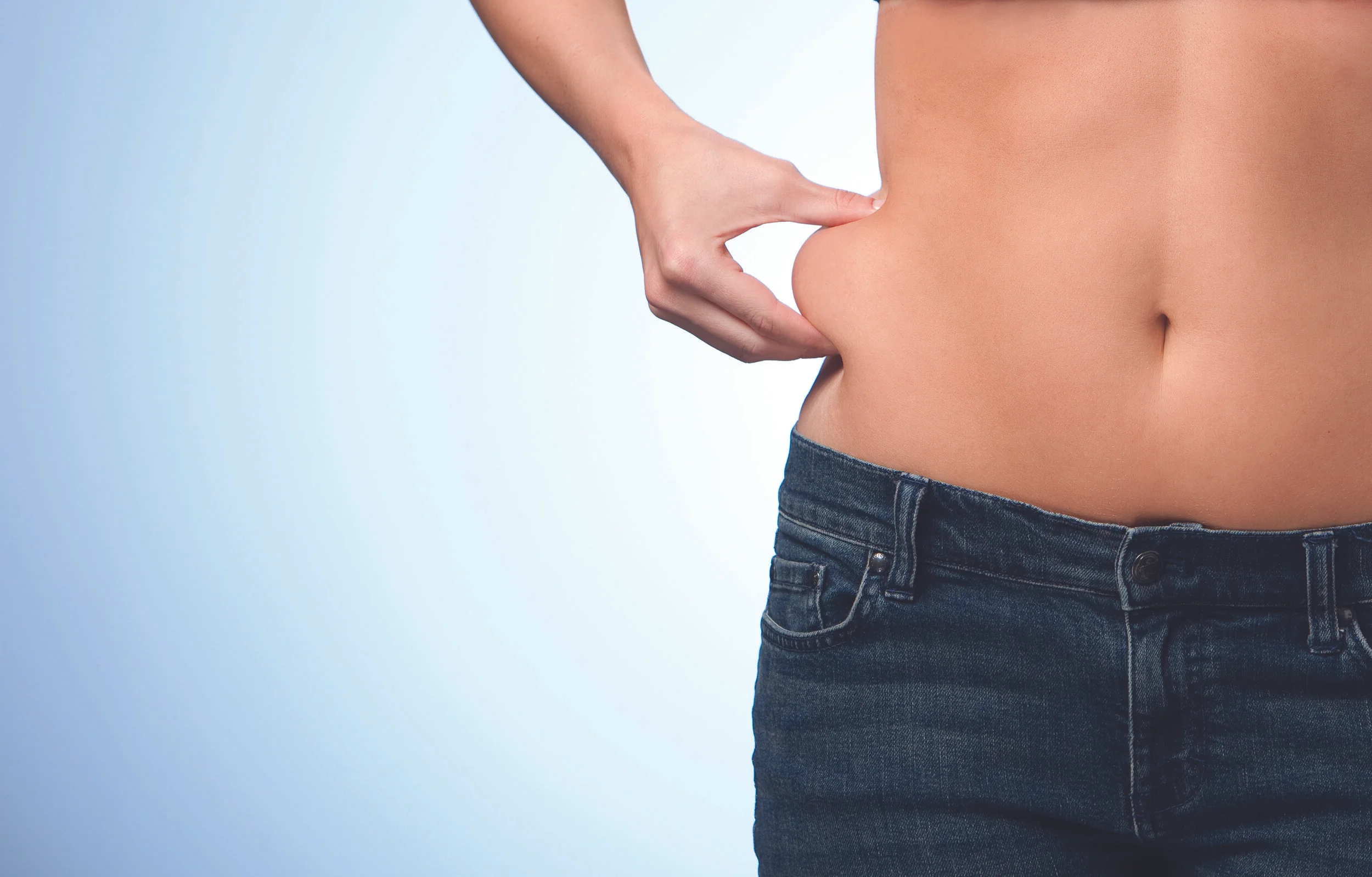
liposuction,+lipo.jpg


These procedures are great for individuals who have great skin tone and texture, but who are looking to get rid of stubborn fat in the abdomen, thighs, flanks (“love handles”), back, arms, and double chin. 


The ideal patient:

  • Is close to her/his ideal body weight and is confident she/he can maintain that weight after the procedure.

  • Has an active lifestyle and good general health. Although fat removal usually is permanent, any cells left behind can continue to grow with weight gain.

  • Has good skin elasticity.

  • Has realistic expectations on what can be accomplished with the procedure.

LIPOSUCTION 

What is Liposuction?


Liposuction is a powerful cosmetic procedure to address stubborn areas of fat that are not conducive to weight loss and exercise. This minimally invasive technique has been popular for decades because it can predictably remove fat and consistently deliver dramatic results.


What areas of the body can be treated with liposuction?

Common areas of treatment include the abdomen, thighs, hips/flanks, chin, arms, and back. Other areas may be considered based on your body’s shape.

How does it work?

This surgical procedure involves making tiny incisions (holes) in your skin to initially place a specific type of fluid and then a cannula or metal tube to suck out the liquid and fatty deposits.  

There is minimal scarring and small stitches at the incision sites are usually removed in a week

How long does the procedure take?

Treatment time varies from 1 hour to several hours and can be done in an outpatient surgical facility. Compression garments are recommended postoperatively. 

What is the recovery time and downtime?

Depending on the amount of liposuction desired, your surgeon will determine if the procedure can be performed in an outpatient facility or in the hospital to monitor you overnight. 

You will likely be placed in a compression garment to limit and improve initial swelling. Most patients complain of dull pain and soreness. 


Downtime is minimal and results can be seen about 1 month after surgery with final results about 6 months postoperatively.

What are the risks?

Every surgery has risks. In this procedure, bruising and swelling are normal. Pain may be present but tolerable. Other complications include dimpling or irregularities in skin contour, infection, asymmetries, etc.

Who is properly trained to perform this procedure?

You should choose a board-certified plastic surgeon to perform this procedure as she is well trained and understands the subtle nuances to obtain the best result. 


COOLSCULPTING

What is Coolsculpting?

CoolSculpting is a noninvasive, office-based treatment that destroys fat cells by cryolipolysis, or by freezing the fat. 


Once the cells have been frozen, the body naturally eliminates them over the course of a few months.  

What areas can be treated with Coolsculpting?

Treatment areas include a double chin, back, flanks, bra rolls, distal knees, abdomen, inner and outer thighs, distal thighs, underneath the buttocks and upper arms.

How does it work?

During your consultation, you will be fitted with an applicator to determine if you have enough fat for proper treatment. 


During the treatment, the applicator will be placed on the treatment area and there will be a light vacuum sensation. 


You will feel a cooling effect within the first 10 minutes and may experience tingling for the remainder of the time. 


Treatment times vary from 35 – 60 minutes. These applicators cause less bruising, swelling, cramping, firmness, and stinging. 


After the applicator is detached, your provider will do a brief massage on the area to break up the treated fat cells and enhance the fat reduction. 

Describe the recovery and downtime?

There is no downtime, but some patients may experience redness, bruising, lightweight feel tingling, numbness but this is temporary and eventually disappears completely. 


Results are visible after one treatment. However, depending on the desired outcome, multiple treatments may be encouraged. 

When will I see results?

According to clinical tests, the CoolSculpting procedure achieved a satisfaction rate of 95% among patients. 


Although transformation can occur in some patients during the first three weeks following their session, the most dramatic results usually appear one to three months after treatment.


Most patients do not require more than one treatment session for a final result.

KYBELLA

What is Kybella?


Kybella is an injectable medication that hat breaks down the fat by stimulating

a chemical reaction. 

What are the on-label treatment areas?

Kybella is currently only FDA-approved to be used to address small areas of fat under the chin, but some practitioners are using it off-label to treat the upper breasts, abdomen, and thighs for example. 

How does it work?

Your practitioner will determine if you are a good candidate for this procedure based on your anatomy. The medication is often injected superficially over the surface of the treatment area. Kybella may require a few treatment sessions for full effect.

What are the recovery and downtime?


You may experience some redness, swelling, and bruising around the injection sites, but these side effects are typically mild and improve quickly.


Most patients can resume their activities the day after the treatment. 


Results are best seen about 12 weeks after treatment. 


Additionally, there are radiofrequency and ultrasound energy technologies in the noninvasive fat reduction space. 


There are obvious benefits to all of these options, but the only way to truly know which will be best for you is to meet with a board-certified plastic surgeon who has the knowledge and surgical experience to guide you on the best result.