The Dangers of Plastic Surgery Tourism

A third American recently died while undergoing an abdominoplasty, or tummy tuck, at a medical clinic in the Dominican Republic. And yet, rates of surgical tourism to countries outside the US are higher than ever before.


With ever-increasing pressure from social media to obtain a perfect body image, men and women are looking for affordable ways to improve their facial appearance and body shape. Many clinics outside the U.S. boast their affordability as well as an experience comparable to a resort vacation. However, these wishes and hopes are far from the reality of surgical experiences overseas.


I have treated many patients who have presented through my local emergency room (most directly from the airport!) who are relieved to be home alive and scared at the complicated course that lays ahead.


Here are some Red Flags that may make you want to think twice before undergoing the knife in a foreign country, or improve your success if you insist on doing so.

#1. Meet your doctor.

Most patients seeking surgical tourism said that they initially did not speak with a physician or licensed health care professional prior to their arrival in a foreign country. Some only communicated with clinic staff through email or Instagram, and only met the physician minutes before their surgery began. There is no physician-patient relationship established. Trust is replaced by fear.


Solution: Do not have plastic surgery overseas.

If you still insist on having surgery overseas: Do your homework to make sure the physician is actually a physician, is certified in plastic surgery, and is available to speak with you and evaluate you before you book a flight.

#2. Do your homework & ask tough questions: What are the risks of this surgery? How can I minimize risk?

Most patients did not undergo a comprehensive history or physical exam performed by the physician to determine if they were a good candidate for surgery. Telemedicine (Skype, FaceTime, etc.) makes this possible, so demand it.


Patients had a limited (if any) routine preoperative workup (blood work, EKG, Chest X-ray).


Additionally, none of the patients I spoke with remember being educated on the risks and benefits of the procedure they were about to go to undergo. Expectations were left unclear. Most patients did not remember signing informed consent, and could not even tell me what surgery was performed on them.  They did not have any copies of their operative report.


Solution: Do not have plastic surgery overseas.

If you still insist on having surgery overseas: read the proposed surgical consent form and understand your risks and benefits of the proposed procedure. Obtain your preoperative workup to ensure you are a good surgical candidate before booking your flight.


#3. Understand how postoperative complications are managed.

 Many patients are traveling solo (to avoid added expenses) for overseas surgery. It is important to know if anyone at the clinic or postoperative “home/hotel/living situation” speaks your language. It is important that you are able to communicate issues or complaints (such as chest pain, shortness of breath) to a qualified nurse or physician who can address these emergent issues.


Those who make it home and then develop issues are often told to find someone in the US to help them. This is incredibly common, and can cost thousands of dollars for simple drain removal to an emergency workup for a blood clot or wound-healing delay.


Solution: Do not have plastic surgery overseas.

If you still insist on having surgery overseas: If you can afford it, bring a close friend or family member. Have a contingency plan and a physician who agrees to help manage any postoperative issues you may have.


When it’s all said and done, most patients agreed the hype of overseas surgery did not match the reality of the experience. Many stated they wish they never had the procedure done, or wish they had gotten an opinion by a local board-certified plastic surgeon and avoided the unforeseen expenses.   


Your local plastic surgeon may charge a modest consultation fee, but can give you expert advice about your body concerns, desires, and expected results. Surgery may be more expensive initially, but there are often financial resources to make it affordable and safe. And lastly, should you have a complication, your doctor is available to manage it.


At the end of the day, plastic surgery is elective surgery.  Better to be safe than sorry.

Cardi B & Plastic Surgery: Separating Fact vs. Fiction
cardibplasticsurgery

Cardi B has been in the media for discussing her breast lift (mastopexy) and liposuction procedures, and more recently her complications with surgical recovery. She’s had to cancel appearances and performances and as a result has received criticism from both the media and her fans.


Let’s discuss fact vs. fiction as it relates to her surgery and recovery.


Claim: She did not need surgery. Working out will fix all problem areas.


First off, it’s important to talk to your plastic surgeon about what is achievable with diet and exercise, and what transformation can be accomplished with surgery.


In Cardi B’s case, no amount of working out will address the deflation and descent of her breasts after the birth of her child. The only way to permanently and effectively address this is a breast lift, or mastopexy. In regards to her liposuction, I cannot comment on her diet and exercise regimen, or the area(s) that she had addressed.


Claim: Healing from surgery is quick and easy.

 Surgery is serious business, and it is important to give your body the proper time to heal. Though most women who have liposuction or a breast lift feel “recovered” in terms of pain and soreness within a few days, in reality it takes the body up between 6-12 weeks for swelling to subside and incisions to heal.


Cardi B described leg and ankle swelling that worsened with air travel (very common) and a long, hard recovery process that is now even longer because she returned to perform before her body was ready.


If you are thinking about having plastic surgery, make sure you see a board-certified plastic surgeon in consultation. Ask questions, become educated on your options, and make an informed decision. Surgery is a team effort on the part of the surgeon and the patient to optimize healing and achieve the best results.

For more information or to answer any questions, please contact our office to schedule a consultation. 

An Update: BIA-ALCL
biaalcl

There has been a lot of recent media attention regarding the risk of a certain type of cancer associated with breast implants, known as Breast Implant Associated Anaplastic Large Cell Lymphoma (BIA-ALCL).

What is BIA-ALCL?

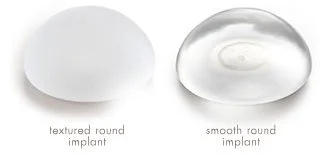
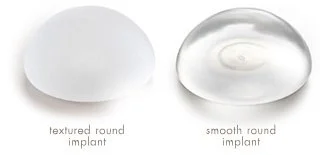
BIA- ALCL is not breast cancer. Rather, it is a rare type of lymphoma that has been predominately found in women with textured (as opposed to smooth) silicone breast implants. The FDA estimates that there are 5 million to 10 million women worldwide who have breast implants.  As of November 2018, there have been 626 confirmed cases of BIA-ALCL reported worldwide. If you are unsure if you have a smooth or textured breast implant, ask your plastic surgeon.

BIA-ALCL has been linked to implants that are textured

BIA-ALCL has been linked to implants that are textured

How is it diagnosed?

Asymptomatic women without breast changes do not require more than routine mammograms and breast exams. The most common symptom reported is usually swelling of the breast, often caused by fluid building around the implant. Other symptoms include pain, lumps, and asymmetry between breasts. The fluid may be seen on ultrasound and a sample can be tested in a laboratory to confirm the diagnosis.


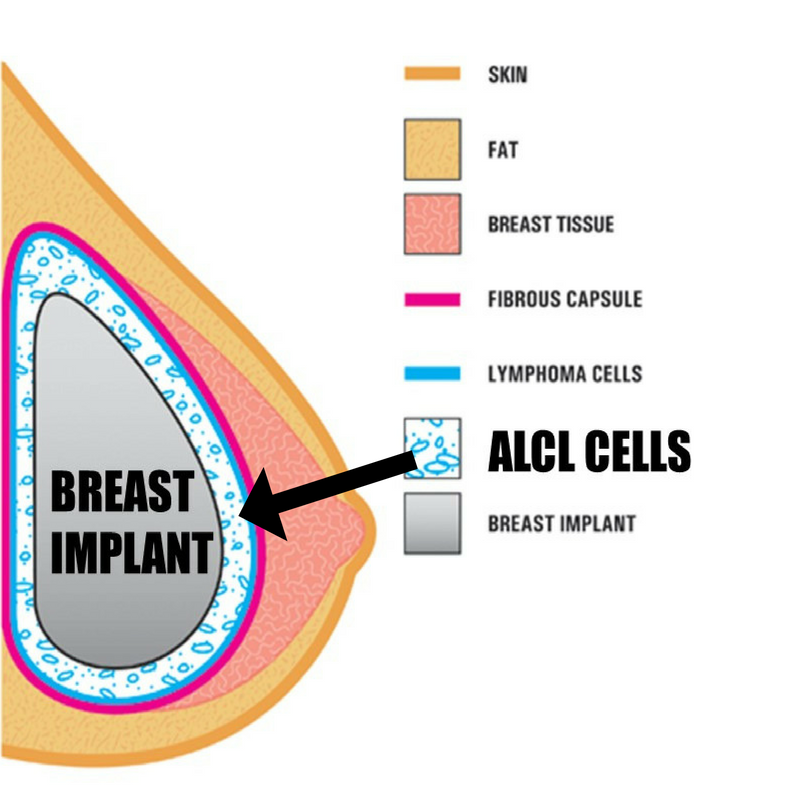
ALCL Cells are located between the breast implant and its surrounding capsule.

ALCL Cells are located between the breast implant and its surrounding capsule.

How is BIA-ALCL treated?

The recommended treatment is removal of the breast implant and the surrounding scar tissue layer, or capsule. Additional treatment may be necessary.


Should I have my implants removed because of BIA-ALCL?

Currently, neither the FDA nor any Plastic Surgery society recommends that women should preventatively remove textured breast implants to prevent BIA-ALCL. This is not a disease of breast tissue, rather it is related to the texturing of the implant device. Case reports of the same disease have recently been described in textured gluteal implants. However, there are women who have been concerned enough about BIA-ALCL and have chosen to have their implants removed. There are some women who were already considering a breast implant revision, and the BIA-ALCL issue gave them one more reason to decide to proceed.


Where can I find additional information and resources about BIA-ALCL?

For the most up-to-date information regarding this condition, I suggest visiting the following websites:

American Society for Aesthetic Plastic Surgery (ASAPS)

American Society of Plastic Surgeons (ASPS)

Food & Drug Administration (FDA)